Ever noticed how two “ski-in/ski-out” homes in Snowmass can feel completely different on your first run of the day? You are not imagining it. The term covers a spectrum of access that affects your lifestyle, budget, and resale value. In this guide, you will learn how ski access really works in Snowmass, what to verify before you buy or sell, and how to set the right expectations. Let’s dive in.
What ski-in/ski-out means in Snowmass
Snowmass is a true skier’s mountain, and that is part of the magic. It also means “ski-in/ski-out” can mean several things depending on where you are on the hill and how operations run that day.
True or direct ski-out
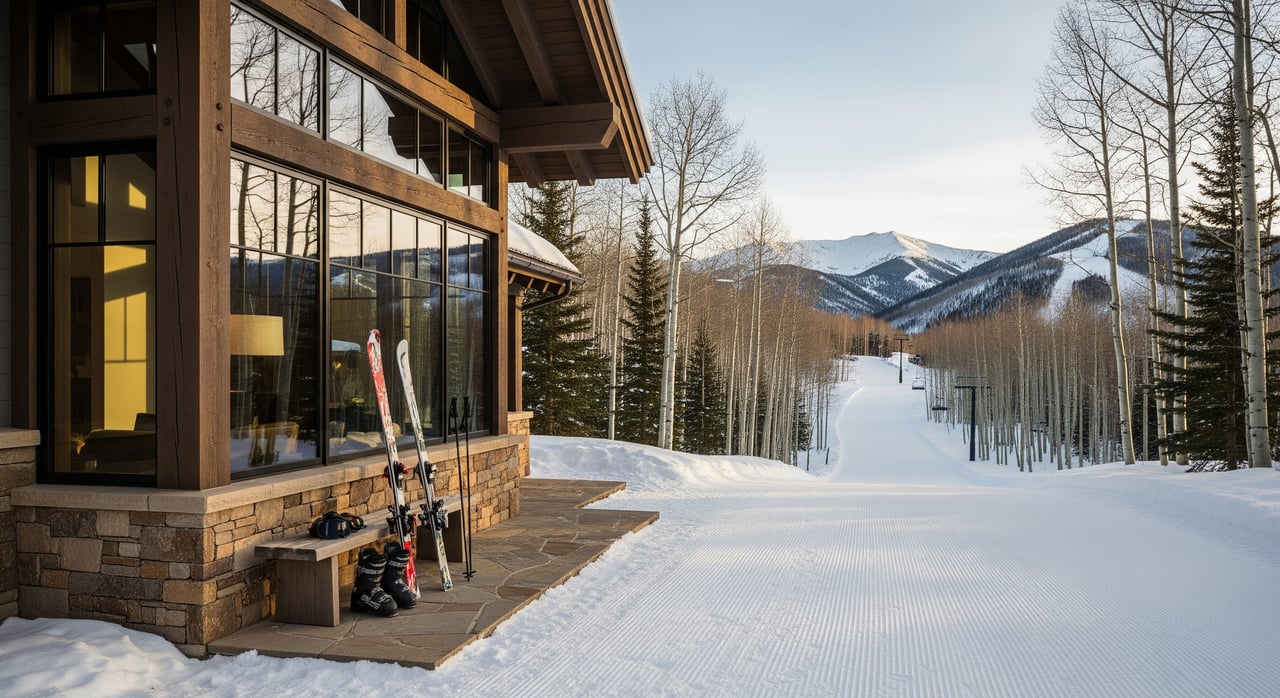
This is the gold standard. You click in at the property and glide onto skiable terrain that connects to a groomed run or skiway, with no roads to cross and no stairs or long traverses. You can ski right back at day’s end under normal winter conditions.
Ski-to or ski-easy
You can reach the lift area or base by skiing most of the way, but it might involve a short walk, a private trail, a flat traverse, or crossing a pedestrian path. It is convenient, just not seamless in every direction or every day.
Functional or seasonal access
Access works when the snow is deep enough, when certain skiways are groomed, or when specific lifts operate. Early and late season can limit this access, even if mid-winter is great.
Ski-adjacent or slope-facing
You are close to the action with slope views and quick walking access to lifts, but you do not have a true skiable line to or from the door.
How Snowmass layout affects access
Snowmass spreads across broad terrain, with base areas, mid-mountain hubs, and multiple bowls. Properties that claim ski-in/ski-out are usually near Snowmass Base Village, near liftheads, or along designated skiways that connect neighborhoods to the main network. The exact line matters. Service roads, pedestrian corridors, or resort infrastructure can interrupt what looks like a clean run on the map.
For the most accurate picture, confirm the route on current resort materials and operating notes from the source. Start with official information from Aspen Snowmass and cross-check lift schedules and skiway status during your visit.
Seasonal and operational variables
Even “true” ski access depends on conditions and operations. Early or late season snow coverage can change the practicality of a route. Midday or event closures can redirect traffic. Grooming schedules and avalanche mitigation can temporarily affect access. Respect posted signs and daily operations and expect minor variations over a long season.
Legal and HOA checks before you buy
The quality of ski access is about more than convenience. It is about what is legally guaranteed and safely maintained.
Easements and ownership
- Look for recorded skiway or pedestrian easements that connect your property to the resort trail system.
- Review title work, plat maps, and CCRs to confirm rights-of-way and any seasonal restrictions.
- Verify details through Pitkin County property records and maps. Start with the county’s public resources at Pitkin County.
HOA duties and winter maintenance
- Many slope-adjacent communities rely on HOAs to manage snow removal on stairs, private paths, and access corridors.
- Confirm who maintains heated mats, lighting, storage rooms, and any private ski trails.
- Ask about maintenance reserves and whether special assessments have covered winter services in the past.
Liability, insurance, and safety
- Private skiways raise questions about responsibility for injuries on shared paths. Compare HOA master policies with your personal coverage.
- If a property is near steep, ungroomed terrain, review hazard designations and mitigation measures. Use the Colorado Avalanche Information Center for public guidance and consult local hazard maps through Pitkin County.
Municipal and resort rules
- Town codes and resort policies can affect new or modified access paths and when certain lifts or gondolas operate.
- For permits, right-of-way questions, and short-term rental rules, begin with the Town of Snowmass Village and confirm specifics with the HOA.
Market impacts and lifestyle tradeoffs
Price premiums and resale
In resort markets, ski-in/ski-out typically commands a premium. Industry commentary cites a wide range, often from low single digits up to roughly 10–25 percent or more depending on exact access, property type, and demand. In Snowmass, “true” access usually carries stronger liquidity and clearer resale appeal because the benefit is unambiguous.
Operating costs and HOA dues
Expect higher dues where HOAs manage snow clearing, heated sidewalks, ski lockers, and corridor maintenance. Individual homes may also carry higher winter operating costs for roof snow, de-icing, and heated driveways. Budget for winter-specific wear and tear.
Day-to-day convenience
Pros include fewer trips in the car, a quick lunch at home, and strong vacation-rental appeal if allowed. Potential tradeoffs include grooming noise, skier traffic near base areas, and reduced privacy for some slope-front properties.
Rentals and local rules
If rental income is part of your plan, verify that short-term rentals are allowed for your property type. Confirm licensing, occupancy rules, and local taxes through the Town of Snowmass Village and your HOA before you buy.
For broader market context, you can also review national resort-market insights from the National Association of REALTORS.
Your Snowmass ski-access verification checklist
Use this as a step-by-step guide during due diligence. Get answers in writing when possible.
- Access route
- Ask for a diagram and written description of the exact path from the door to the nearest groomed run or lifthead.
- Note crossings of roads, parking areas, or pedestrian zones.
- Ownership and easements
- Confirm recorded easements in the title commitment and plat maps.
- Verify that any private path you will use is legally guaranteed, not just tolerated.
- Seasonal and operational limits
- Confirm whether a minimum snow depth is needed and if certain skiways are groomed daily or only as needed.
- Check lift and gondola schedules at Aspen Snowmass.
- HOA and maintenance
- Review HOA covenants for snow-clearing obligations, access lighting, locker policies, and reserve funding.
- Ask who maintains stairs, decks, heated sidewalks, and any private skiway.
- Liability and insurance
- Compare HOA master insurance with your insurer’s coverage and exclusions.
- Safety and hazards
- Review CAIC guidance and county hazard maps via Pitkin County and the Colorado Avalanche Information Center.
- Zoning and rental rules
- Confirm short-term rental allowances, permits, and taxes with the Town of Snowmass Village and your HOA.
- On-snow inspection
- Visit in winter conditions. Time the route in both directions and note any walking or bootpacking.
- Seller and HOA disclosures
- Ask about past disputes, incident reports, or planned resort changes that could alter access.
For sellers: set clear, confident expectations
Buyers value clarity. You can strengthen your listing by providing:
- A simple, accurate route map with written directions.
- Recorded easement references and relevant HOA sections.
- A brief summary of seasonal or operational limitations.
- A note on who maintains the path, stairs, or private skiway.
This transparency reduces friction, builds trust, and helps you defend value when buyers compare your property to other “ski-in/ski-out” options.
Ready to talk specifics about a property in Snowmass? Reach out to Fiona Hagist for local guidance, tailored property tours, and a clear, data-backed plan. If you are selling, you can also request a complimentary valuation to position your home with confidence.
FAQs
What does “true ski-in/ski-out” mean in Snowmass?
- It means you can step from the property onto skiable terrain that connects directly to a groomed run or skiway and return the same way under typical winter operations, without crossing roads or significant obstacles.
How can I verify a Snowmass condo’s ski access before I buy?
- Ask for a written route map, confirm recorded easements in the title work, review HOA maintenance obligations, and do an on-snow inspection while lifts are operating.
Do early or late season conditions affect ski-in/ski-out?
- Yes, access routes may depend on snow depth, grooming, and lift schedules, so early and late season can limit otherwise great mid-winter connections.
Who maintains private skiways or access paths near my building?
- In many developments the HOA handles snow removal, lighting, and access features; confirm responsibilities and reserves in the covenants and budget.
Are there safety concerns for slope-adjacent homes in Snowmass?
- Most developed areas are sited for safety, but review hazard maps and guidance from the Colorado Avalanche Information Center and Pitkin County to understand local conditions.
Do ski-in/ski-out homes carry a price premium in Snowmass?
- Typically yes; premiums vary by exact access, property type, and demand, with industry commentary often citing a range from low single digits to about 10–25 percent or more.
Can I short-term rent my Snowmass ski-in/ski-out home?
- It depends on local rules and your HOA; confirm allowances, permits, and taxes with the Town of Snowmass Village and your association before you buy or list.