Play a game of pool at the new Golden Horn and you're standing over a table that spent years at Eric's, the bar that closed in 2022 and left a gap on the Mill Street mall that locals complained about for the better part of three years. The felt has been redone. The frame hasn't moved. Look up from the shot and the shutters on the windows came from the Mountain Chalet. The beams over your head were pulled from Mi Chola. The bar rail your drink is resting on was reclaimed from the Compromise Mine. None of this is incidental decor. It's inventory.
Most towns that lose a beloved bar get a plaque, or a Facebook group where people post old photos. Aspen Core got something stranger: a single room, opened in early June 2026 in the basement at 400 E. Cooper Avenue, that functions less like a tribute to one closed restaurant and more like a physical index of everything the neighborhood has lost since the last time anyone bothered to count. The name on the door says Golden Horn. What's actually inside is closer to a reliquary.
What Came From Where
The owners, John Bukac and Sam Hayes, didn't build this space from scratch. They built it from the parts of businesses that no longer have a building to occupy. Here's the accounting, as far as it can be laid out:
- The pool tables came from Eric's Bar, which closed in 2022. Two tables, re-felted, free to play.
- The window shutters came from the Mountain Chalet.
- The ceiling beams came from Mi Chola.
- The bar rail, running the length of what the owners call the longest bar in Aspen at 24 feet, was reclaimed from the Compromise Mine.
- The bathroom wallpaper is collaged from vintage ski maps, which is the one piece of the room built from paper instead of salvage, but it's doing the same job as everything else: making sure you're standing inside a version of Aspen that technically isn't there anymore.
Layered on top of the salvage is a curated set of roughly 20 portraits the owners are calling the Aspen Wall of Fame, including Bonnie Rayburn, who ran the restaurant that bore her name on Aspen Mountain for 17 years, and Hunter S. Thompson. There's an old menu from the original Golden Horn framed somewhere in the room too. This isn't a bar that references old Aspen in its marketing copy. It's a bar that is, materially, made out of old Aspen.
Bukac has been direct about why. In an interview with the Aspen Daily News ahead of the June opening, he put it this way:
"Aspen is no accident in terms of how fortunate we are to live in the place we do today. I think a lot of that's been lost just with outside influence of a lot of companies that saw an opportunity to make it here in Aspen, but didn't totally appreciate and understand why Aspen's so special."
That's not a line about nostalgia. It's a line about ownership, about who gets to decide what a building on Mill Street becomes next.
Why This Corner Specifically
The corner of Mill and Cooper, directly across from Wagner Park, has never been neutral ground in this town. The original Golden Horn opened there in December 1949, started by Steve Knowlton, a 10th Mountain Division veteran who bought the lot for $1,000 and moved a cabin onto it, putting a ski shop on the first floor and a bar and restaurant in the basement. At the time the Red Onion happened to be closed, so the Golden Horn became the after-ski spot by default, complete with a band and a dance floor, drawing in the kind of crowd an Aspen historian once described as everyone who mattered, from the Fritz and Fabi Benedict circle to the T-Lazy 7 regulars. Chef Klaus Christ ran the kitchen from 1972 until the restaurant closed in 1996.
Along with the J-Bar and the Red Onion, the Golden Horn made up the trio every longtime Aspenite eventually references when they talk about what the town used to be. The rivalry was literal, not just sentimental. In 1957, a team calling itself the Golden Horn Blowers competed against the Red Onion Peelers in the Wintersköl Saloon Slalom. The Red Onion won that year. Five years earlier, the 1952 Aspen Road Race, a weekend that drew more than 3,000 people and more business than Christmas ski season, opened with registration at the Red Onion and closed with a banquet at the Golden Horn.
The building itself outlasted the restaurant. It sold for $6.65 million in 2016 to an entity controlled by Beverly Hills investor Benjamin Nazarian, a deal reported at the time as a bet on holding an iconic downtown corner rather than redeveloping it. In between the original Golden Horn's 1996 closure and its 2026 return, the space cycled through Maru, Takah Sushi, The Grottos, Cabo's, and Acme Bar & Grill. None of those stuck. The corner kept the address. It just kept losing the identity.
Five Years to Reopen a Basement
Bukac and Hayes didn't move fast on this. The idea started in late 2021, when Eric's Bar announced it would close the following year, and the two hospitality veterans, who had spent years working at spots like Meat and Cheese and Matsuhisa, saw an opening they wanted to fill. The building they were originally eyeing sold before they could act on it. They regrouped, and in October 2024 signed the lease on the underground spot in the Mill Street pedestrian mall. From that first idea to the actual opening in early June 2026, the project took nearly five years.
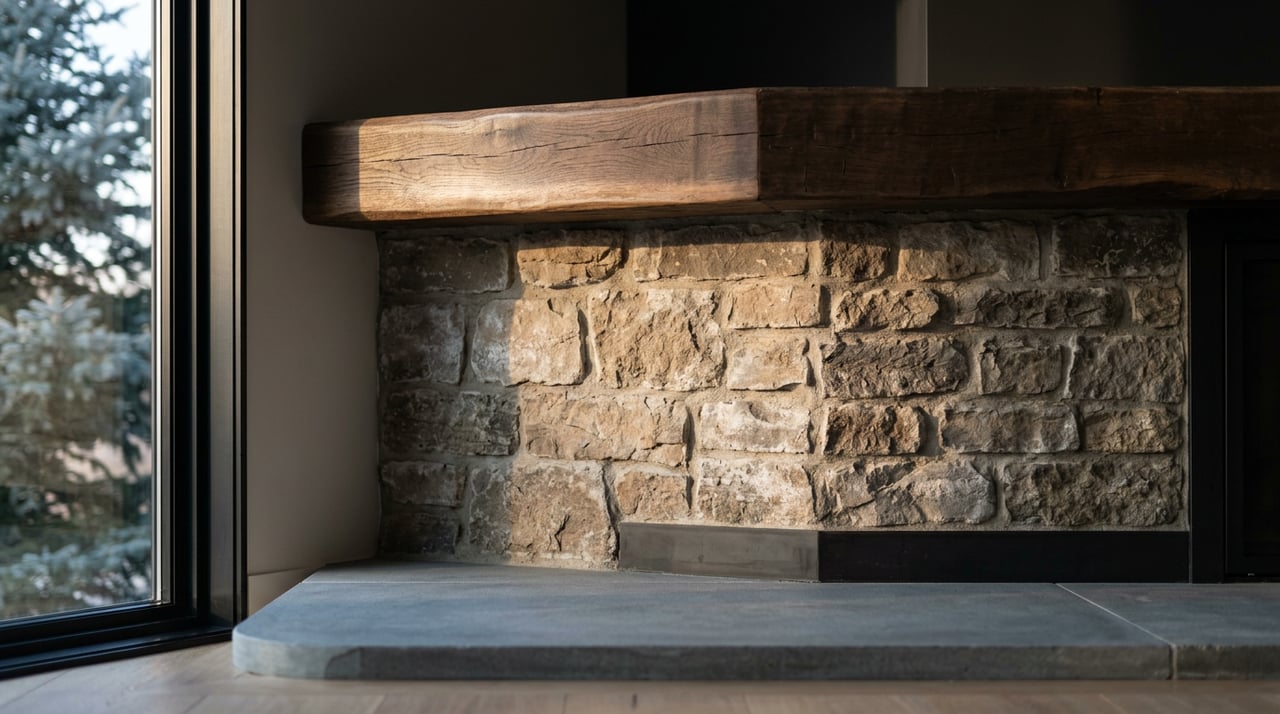
Designer Tim Sack, executive director of Buckhorn Public Arts, built the interior around that timeline rather than around a single decade of nostalgia. Portions of the room show exposed rubble walls left over from when the original Golden Horn building went up in the 1950s. Everything else layered on top is a later addition, but a specific one, tied to a specific bar that used to exist somewhere else in town.
What You'll Actually Find If You Go
Strip away the history and the Golden Horn is, on a Tuesday night, a sports bar with a job to do. It's open 11 a.m. to 2 a.m., seven days a week, longer hours than most of the sit-down dinner spots on the mall. There's a Full Swing golf simulator with 30 games, rentable by the hour, along with basketball and soccer modes for anyone who isn't interested in golf. Fifteen TVs cover the walls. A Mug Club membership gets regulars a discount on beer and well drinks, the kind of program built for people who are planning to come back three times a week, not once for the novelty. An outdoor patio holds about 30 seats between tables and couches, facing the park.
Hayes framed the goal simply when the opening was still weeks away: getting people to the point where they can bar hop on the mall again, the way earlier generations of Aspen did before so many of those stops disappeared one lease at a time. Bukac's version of the same idea was about food and drink for what he called the workhorses in town, people grabbing lunch, running a work meeting, or throwing a kid's birthday party on a random Wednesday, without the menu or the room ever feeling stagnant.
The Thing Worth Noticing
Every one of those closed businesses represented in the room, Eric's, the Mountain Chalet, Mi Chola, the Compromise Mine, closed for its own reason, on its own timeline, with no coordination between them. What Bukac and Hayes did was notice the pattern after the fact and build a room that holds all of it at once. You can go for the golf simulator or the wing specials and never clock any of this. But if you know what you're looking at, the new Golden Horn isn't really a single comeback story. It's four of them, sharing one address, because that's apparently what it takes to keep a piece of old Aspen physically present on a corner that keeps losing tenants.
That's the kind of detail that only shows up if you're paying attention to this neighborhood block by block, lease by lease, which is exactly the habit that makes the rest of Aspen Core worth understanding too, long before anyone starts thinking about buying here.
If you're the kind of person who notices these things and wants a local's read on what else is shifting in Aspen Core, Fiona Hagist has spent a lifetime in this valley and is always glad to talk through what's changing in the neighborhood, whether or not you're in the market yet.