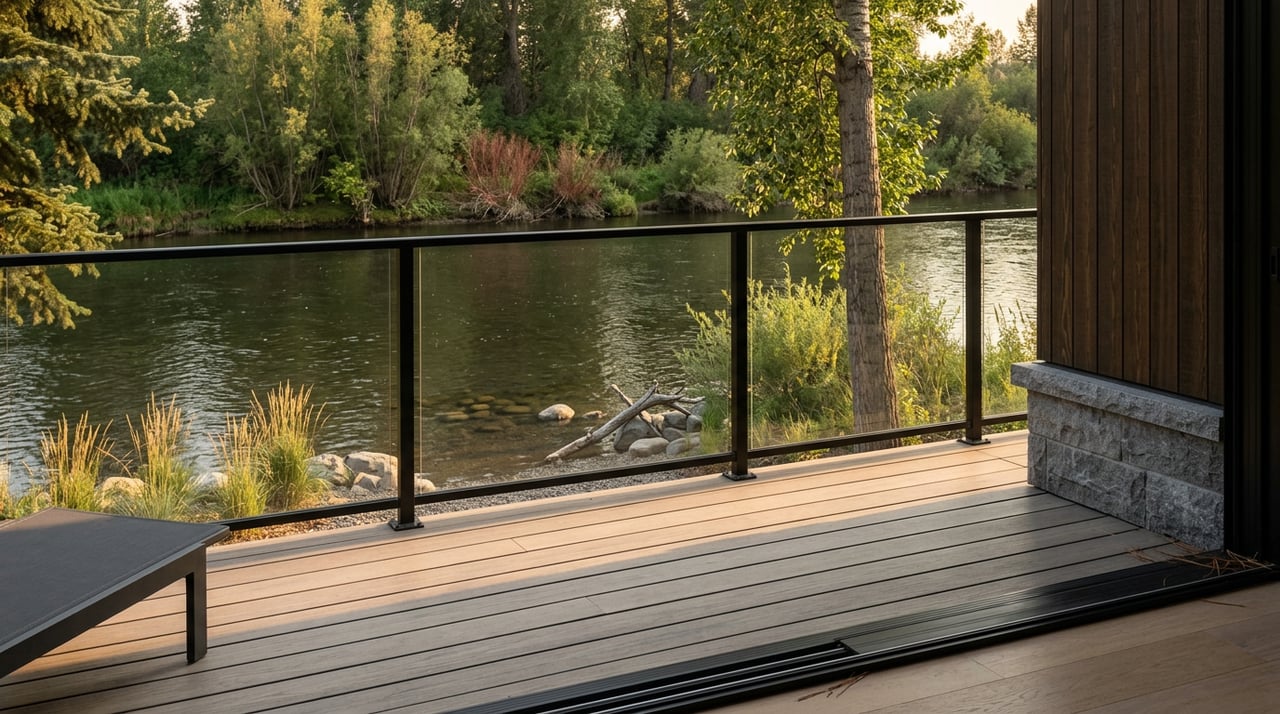
Picture your morning coffee on a quiet deck with the Fryingpan River sliding past, trout rising in the seam, and the Rio Grande Trail just down the path. If you are drawn to Basalt for its water, you are not alone. Riverfront living here blends rare natural beauty with real-world considerations you should understand before you buy. In this guide, you will learn where river homes sit, what drives value, and the key rules and risks to check early. Let’s dive in.
What riverfront means in Basalt
Basalt sits where the Fryingpan meets the Roaring Fork, a confluence that shapes life and real estate here. Long stretches are prized for trout habitat, with Gold Medal fisheries drawing anglers from around the country. For a helpful overview of local rivers and access, explore the Roaring Fork Conservancy’s watershed resources. You will get a feel for how the rivers move through town and downstream. Roaring Fork Conservancy’s watershed summaries
Locally, people use “riverfront” to describe parcels with direct riverbank frontage. “Riverside” is often used for homes that sit next to the river corridor or trail but may not touch the bank. Basalt treats these corridors as sensitive. The municipal code includes stream setbacks and a flood-damage prevention article. Local reporting often cites a 50-foot stream setback under Town code §16-464. Always confirm the setback and floodplain rules that apply to a specific parcel before you plan improvements. Basalt municipal code reference
Where river homes sit
In-town riverside
Old Town Basalt and the edges of downtown along Two Rivers Road offer small to mid-sized single-family homes and some condos or townhomes. Here you get sidewalks, dining, and quick access to river trails. If walkability and daily river time are your priorities, this zone checks boxes. For a sense of town-side river amenities, the Basalt Chamber’s river page is a helpful primer. Basalt Chamber river activities
Hooks Spur, Emma, and Fryingpan Road
Along Hooks Spur Road, the Emma area, and up the Fryingpan, you will find larger ranch and estate parcels with significant frontage. These properties tend to offer long stretches of private bank, room for equestrian use, and strong privacy. They appeal to buyers who want space, seclusion, and a direct relationship with the river.
Newer planned neighborhoods
In Willits and nearby areas, you will find walkable, mixed-use neighborhoods close to river trails and parks. Not every home here has true frontage, but you can access the Rio Grande Trail and open spaces easily. These neighborhoods live like a village hub with dining, shops, and community events. For location and lifestyle context, the Discover Basalt guide offers a broad overview. Discover Basalt guide
Lifestyle and recreation value
If you fish, Basalt is a dream. The Fryingpan below Ruedi Reservoir and the Roaring Fork through and below town are known for world-class trout water. Outfitters and anglers build entire seasons around these rivers. Public access varies by stretch, so study maps and ask questions before you assume access points or usage. Local reporting underscores how access and river etiquette shape the experience. Local perspective on river access and trout
Beyond fishing, you can float certain sections in season, hop on the Rio Grande Trail for miles of biking, or enjoy simple riverside walks. Basalt also sits roughly 15 to 25 minutes from Aspen and Snowmass depending on route and traffic. That means you can pair a quieter river home with dining, arts, and skiing nearby.
Pricing and market context
Basalt’s market spans from in-town condos to multi-acre riverfront estates. A recent snapshot showed a median sold price around $1.35 million across all housing types, with single-family and estate properties trending higher. True riverfront ranches and estates often list and trade in the multiple millions. Premiums vary by frontage quality, privacy, acreage, condition, and location. For current figures and timing, start with recent snapshots, then lean on a custom comp set before you bid. Basalt market snapshot
Key risks and rules to know
Flood risk and insurance
Do not skip a floodplain check. Some parcels that look high and dry still fall within a mapped FEMA Special Flood Hazard Area or floodway. That can affect building, elevation requirements, and insurance. Confirm the effective FIRM panel and ask for an elevation certificate to estimate coverage and cost. FEMA’s community pages are a solid starting point, and your lender and insurer will need clear answers early. FEMA community information for Colorado
Stream setbacks and riparian protections
Basalt regulates development near streams and within flood-prone areas. Removing riparian vegetation or building within the setback or floodplain triggers review. Local reporting references a 50-foot stream setback in Town code §16-464, but rules can vary by site. Before you plan a deck, path, or hot tub, confirm the exact standards with the Town and your design team. Basalt code overview
Riverbank work and permits
If you plan any bank stabilization, assume you will need permits. Many projects fall under U.S. Army Corps of Engineers jurisdiction for work in waters of the United States. Nationwide Permits and Section 404 reviews may apply, and state water quality certification is common. Expect a design, review, and mitigation timeline. Softer bioengineering approaches are sometimes favored. U.S. Army Corps regulatory program
Colorado water rights and ditch shares
In Colorado, water is allocated under prior appropriation. Water rights, ditch shares, wells, and augmentation plans are separate from the dirt and do not always transfer by default. If a property advertises irrigation, request decrees, stock certificates, and well permits. A water-rights attorney or engineer can verify records and risk. Title insurance is not a cure-all for water. Understanding decreed water rights
Utilities, septic, and sewer
Some larger riverfront parcels rely on private wells and septic. In-town riverside homes are more likely to be on municipal sewer, but coverage varies by district and parcel. Confirm service availability, hook-up costs, and whether future extensions or special assessments could apply.
Access, privacy, and recurring use
Rivers thread through public spaces, trails, and bridges. Expect shared activity near popular access points. Large estate parcels with long frontage provide more seclusion, but they also carry bank maintenance obligations. Before you assume privacy or exclusive use, verify recorded easements and any public access dedications. Local perspective on river access
Short-term rental rules
Basalt has discussed short-term rental licensing and fees as part of its housing policy. Rules and costs can affect your investment case for a second home. If rentals are part of your plan, check the latest Town ordinances and council actions before you buy. Policy updates and local reporting
River property due-diligence checklist
Use this quick list to shape your offer and inspection scope:
- Flood and elevation: order a FEMA flood determination and request the seller’s elevation certificate. Confirm base flood elevation and any recent map changes. FEMA community information for Colorado
- Structure and foundation: add a certified home inspector and consult a structural engineer if you see settlement, undermining, or past bank work.
- Bank stability and soils: hire a river geomorphology or geotechnical specialist if erosion is visible or you plan stabilization. Some permits require stamped designs. U.S. Army Corps regulatory program
- Septic and sewer: for septic, review county records and schedule a pump-out and inspection. For sewer, confirm tie-in availability and connection fees.
- Wells and water quality: if on a private well, test for yield and potability, and review the well permit.
- Water rights and ditches: request decrees, ditch stock certificates, and water-court documents. Ask a water-rights attorney or engineer to review. Understanding decreed water rights
- Survey and easements: order an ALTA or boundary survey to locate the ordinary high-water mark, riparian boundaries, and any recorded access or maintenance corridors.
- Permits history: gather past permits, variances, and any federal or state certifications for bank work.
- Environmental overlays: check for wetlands, riparian, wildlife notes, or conservation easements. Local watershed resources are a good orientation tool. Roaring Fork Conservancy
- Insurance: request early quotes for homeowners and flood coverage so you can budget for premiums or mitigation.
How to shop smart in Basalt
- Define your river priorities. Do you value private frontage, walk-to-town living, or quick trail access? Your best-fit corridor changes with your answer.
- Match property type to use. In-town riverside suits daily convenience. Larger parcels outside town center deliver privacy and space for projects.
- Budget for the river premium and the rules. Plan for insurance, possible bank work, and permit timelines. Treat water rights as a separate diligence track.
- Lean on local expertise. A seasoned Basalt broker can flag code pitfalls, surface better comps, and coordinate the right consultants.
If riverfront living calls you, connect early so you can move with clarity and confidence. For tailored guidance on Basalt’s river corridors, curated listings, and a plan that fits your goals, reach out to Fiona Hagist.
FAQs
What counts as riverfront in Basalt real estate?
- “Riverfront” usually means a parcel touches the riverbank, while “riverside” sits next to the river corridor or trail without direct bank frontage; always confirm with the Town and a survey.
Is flood insurance required for Basalt river homes?
- If a home is in a FEMA Special Flood Hazard Area, lenders typically require flood insurance; verify the FIRM panel and elevation certificate to understand costs and options.
Can you build closer to the Fryingpan River?
- Basalt’s code includes stream setbacks and floodplain rules, with local reporting citing a 50-foot setback; confirm exact standards for your parcel before designing improvements.
How do Colorado water rights affect a Basalt home purchase?
- Water rights, ditch shares, wells, and augmentation plans are separate from the land and must be verified through decrees, permits, and ditch company records with expert review.
Are short-term rentals allowed for Basalt riverfront homes?
- Basalt has considered licensing and fees that can affect short-term rentals; check current ordinances and council updates before relying on rental income.
What is the price range for Basalt riverfront properties?
- Basalt’s median across all types was recently around $1.35 million, while true riverfront estates often list in the multiple millions based on frontage, privacy, acreage, and quality.