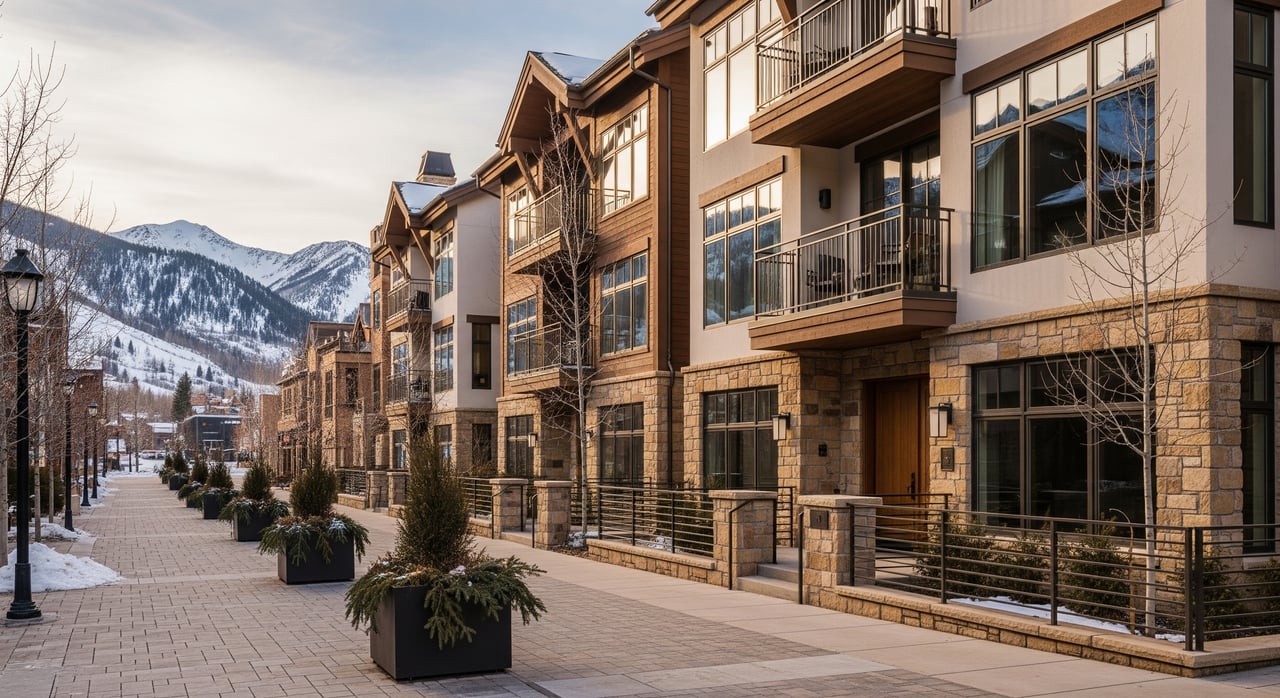
What if your daily errands were a five-minute stroll past galleries and cafes instead of a search for parking? If you are considering a home in Aspen’s Core, going car-free can be both practical and freeing. You want the lifestyle without the hassle of winter maintenance, traffic, or surprise ride prices. In this guide, you will learn how to navigate Aspen’s downtown on foot, by shuttle, and by bike, how to plan for winter, and what to look for in a walkable property. Let’s dive in.
Why Aspen Core works without a car
Aspen’s downtown is compact. Grocery markets, restaurants, shops, the post office, and access to ski lifts cluster within a short walk of one another. You can run most daily errands on foot and use transit or rides only when it saves time or keeps you dry in a storm.
The pedestrian network in the Core is well developed with sidewalks and crossings. Some routes are narrower or less lit at night, so you should test your preferred path after dark and in winter conditions.
Transportation options at a glance
- Local and regional buses and shuttles: The Roaring Fork network connects Aspen with Snowmass, Basalt, Carbondale, and Glenwood Springs. Aspen also operates short hop shuttles around the Core, with seasonal adjustments. Check current details with the Roaring Fork Transportation Authority and the City of Aspen.
- Ski-area shuttles: During ski season, dedicated routes link lodging, parking areas, and lifts. Expect crowding during peak hours and storm days.
- Taxis and ride-hail: Taxis and app-based rides are available, with higher prices and wait times during major events or bad weather. Plan ahead for late nights.
- Biking and multi-use paths: Local bike lanes and the Rio Grande Trail support low-stress riding. E-bikes increase range and make uphill segments more manageable.
- Occasional car access: Short-term rentals and peer-to-peer options in the valley help for Costco runs, a mountain weekend, or emergencies. Reserve early during peak seasons.
Seasonality: plan for winter and summer
Winter checklist
- Footwear: Insulated boots with traction. Add microspikes for icy mornings.
- Route strategy: Favor sidewalks and entries that are plowed quickly. Build in extra time during active snowfall.
- Transit backups: Save shuttle and bus schedules offline. Heavy snow can shift timing.
- Carrying solutions: A rolling grocery cart or a backpack with waist strap makes winter trips easier.
- Night safety: Choose well-lit routes and cross at signed intersections.
Summer rhythm
- Event season: Festivals and conferences increase pedestrian traffic and fill buses. Confirm event calendars with the Aspen Chamber.
- Bike advantage: Warm weather and dry paths make e-biking a fast alternative across town and to nearby communities.
- Heat and hydration: Afternoon sun at altitude can be strong. Plan walks early or later in the day.
Everyday essentials without a car
Groceries and supplies
You can walk to smaller grocery markets and specialty stores in the Core. For larger hauls, use delivery, curbside pickup, or a rolling cart. A cargo or e-bike helps with heavier items.
Healthcare and urgent care
Basic clinics and urgent care are available in or near town. For hospital services, review locations and response times with Aspen Valley Hospital and Pitkin County resources. Keep non-emergency transport numbers handy and consider telehealth for simple needs.
Schools and childcare
Families mix walking, school buses, and carpools depending on distance and weather. If you plan to walk, preview routes, note crossings, and test drop-off routines on a typical weekday.
Mail, packages, and deliveries
Standard carriers serve Aspen. If your building lacks a package room, set clear delivery instructions, consider a P.O. box, or choose a building with concierge or lockers. Enable delivery notifications when you travel.
Moving and furnishings
Core streets and condo elevators require coordination. Schedule moves with your building and the city’s loading rules in mind. Book moving companies well in advance during peak seasons.
Real estate considerations for car-free living
Features that make a difference
- Proximity to groceries, Main Street, and transit stops
- Building services such as concierge, package rooms, and shuttles
- Dedicated storage for skis, bikes, and winter gear
- Elevator access and step-free entries
- Indoor bike storage and e-bike charging
- Snow-cleared walkways to the main entrance
Market tradeoffs
Walkable Core properties often command a premium. Many buyers choose a condo or smaller square footage to gain lifestyle convenience. If you value simple logistics, that tradeoff can be worth it.
For sellers
Highlight a property’s walkability, winter maintenance plan, storage, and proximity to transit. Show how daily life works without a car, not just the distance to attractions.
What to check when touring properties
Use this checklist while you walk the neighborhood and building:
- Transit stops within a 2 to 3 block radius and typical service frequency
- Sidewalk width, lighting, and snow-clearing patterns on your route home
- Elevator reliability and step-free access from street to unit
- Secure ski and bike storage, plus e-bike charging options
- Package handling: staffed desk, lockers, or secure mailroom
- In-building laundry or easy access to laundry facilities
- Guest parking rules and loading zones for move-ins
- HOA policies on storage, short-term rentals, and move scheduling
Cost considerations
Going car-free can reduce parking fees, insurance, fuel, and winter maintenance. You will trade those for occasional rentals, ride-hail, and delivery fees, plus potential e-bike costs. Many Core residents blend walking with transit and a few paid rides each month. Run a personal budget using your expected trips, taking seasonal peaks into account.
Safety and accessibility
If you rely on step-free access, confirm curb cuts, ramped crosswalks, and elevator access to your unit. Older sidewalks can be narrow in places, and some alleys are darker at night. Walk your likely routes after dark and during a snow event to see real conditions.
Get local and real-time information
- Transit routes and schedules: Roaring Fork Transportation Authority
- City transit, parking, and snow policies: City of Aspen
- County emergency and public health resources: Pitkin County
- Event calendars that impact crowding: Aspen Chamber
- Block-level walkability insights: Walk Score
Ready to find your walkable Aspen home?
You can live beautifully car-free in Aspen’s Core with the right property and plan. If you want a lifestyle-first search that balances convenience, storage, and year-round ease, let a trusted local guide lead the way. Connect with Fiona Hagist to explore curated listings in Aspen Core and across the Roaring Fork Valley.
FAQs
Can you live car-free year-round in Aspen Core?
- Yes. Many Core residents walk for daily needs and use shuttles and buses, with ride-hail or rentals for occasional longer trips. Winter requires traction gear and flexibility during storms.
How do you get groceries without a car in Aspen?
- Walk to smaller markets for frequent shops, use delivery for big orders, and consider a rolling cart or e-bike for heavier loads.
What are winter transit and safety tips for Aspen pedestrians?
- Save shuttle schedules, allow extra time during snow, choose plowed routes, wear traction footwear, and stick to well-lit crossings after dark.
How do you reach doctors or a hospital without a car?
- Use local clinics for routine care, plan non-emergency transport, and know emergency contacts. Review services with Aspen Valley Hospital.
Which parts of Aspen Core are most walkable for daily errands?
- Blocks near Main Street, dining, grocery options, and frequent transit stops are the easiest for car-free living. Compare routes and timing using mapping tools and Walk Score.
What should buyers look for in a condo to live car-free?
- Proximity to transit and shops, snow-cleared entries, elevator access, ski and bike storage, e-bike charging, and secure package handling are key.
What should sellers highlight to attract car-free buyers in Aspen?
- Emphasize walkability, winter maintenance, storage solutions, transit access, and any concierge or building shuttle services that support car-free living.