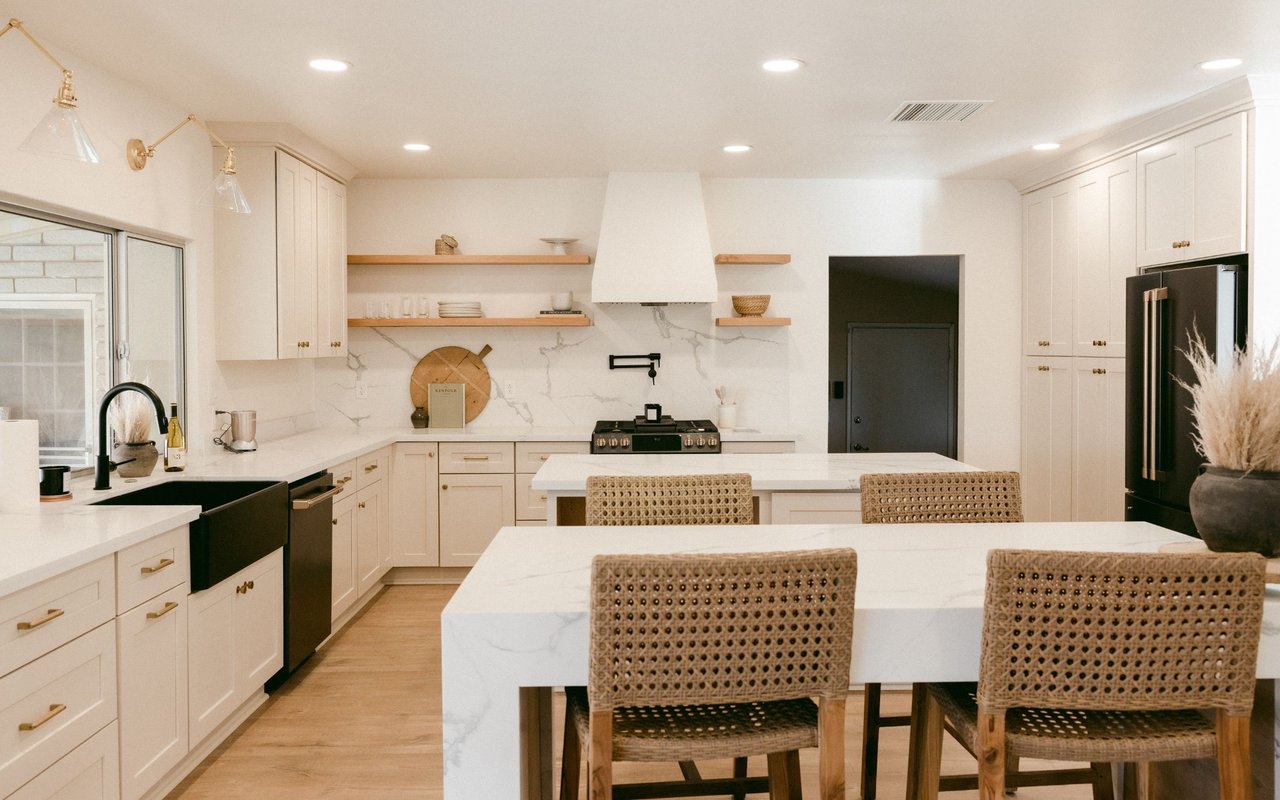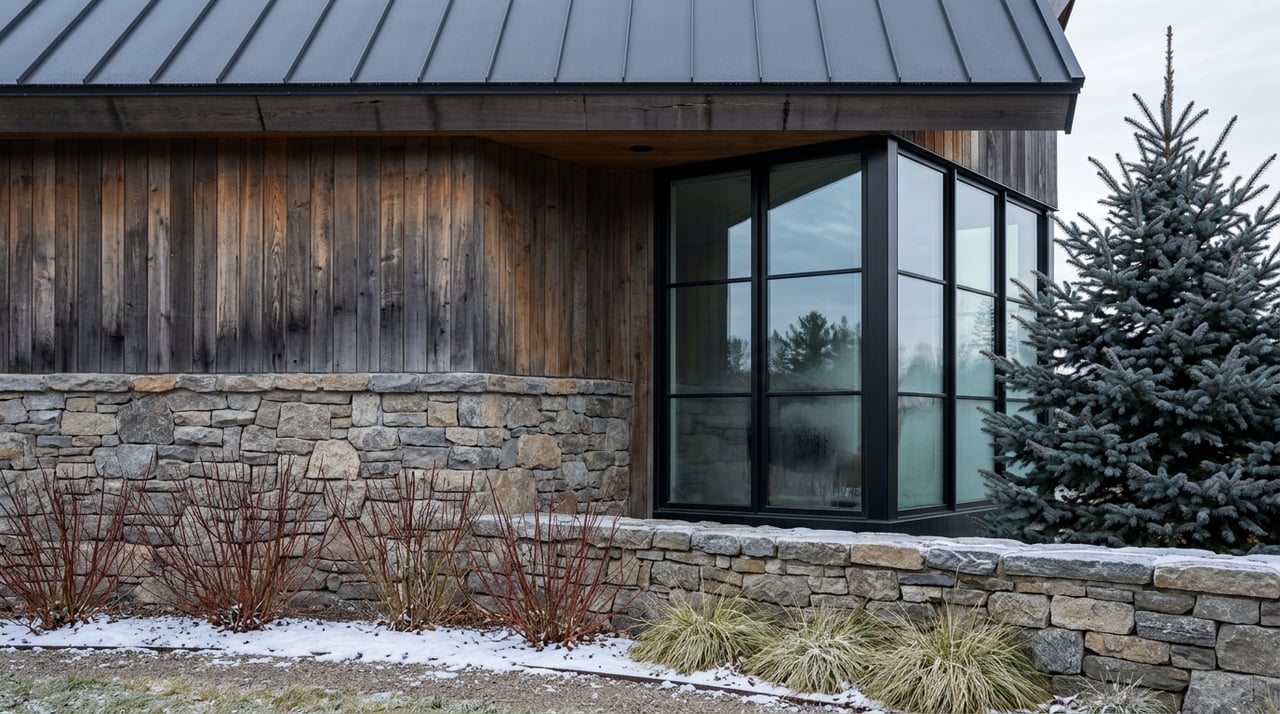
Picture two four-bedroom homes in Basalt, similar square footage, similar finishes, similar list price. A buyer comparing them on paper would call it a coin flip. What the listing sheet won't show is that one of those homes sits in Pitkin County and the other sits in Eagle County, and that difference alone can change what the owner pays every year for as long as they hold the property. Basalt's town limits are split between the two counties, and the line runs through the town rather than around it. You cannot tell which side you're on by the street name, the subdivision, or the price.
That single fact should reshape how anyone compares Basalt real estate to Aspen, Carbondale, or Snowmass Village. The median price headline is not the full cost of ownership, and in Basalt's case, it is also built on a transaction count so small that the headline itself needs a second look.
Basalt Sits in Two Counties, and the Border Doesn't Follow the Neighborhoods
The Basalt Chamber of Commerce puts it plainly: the town is split between Eagle County and Pitkin County, and your exact parcel determines everything from voting precinct to land use jurisdiction. Property tax is where this actually shows up in a buyer's budget. According to current county-level tax data, Basalt carries the highest effective property tax rate of any town within Pitkin County, at 0.59 percent, and separately, the highest effective rate of any town within Eagle County, at 0.56 percent. Carbondale, by comparison, sits at 0.47 percent on the Pitkin side, and Avon sits at 0.40 percent on the Eagle side.
That means a Basalt home is not just more expensive to tax than a Carbondale home. It is more expensive to tax than most of its own county neighbors, and which of the two counties applies to a given parcel is not something you can assume from the neighborhood name.
| Jurisdiction | Basalt's effective property tax rate | Where it ranks locally |
|---|---|---|
| Pitkin County side | 0.59% | Highest of any Pitkin County town |
| Eagle County side | 0.56% | Highest of any Eagle County town |
An Aspen Times investigation into the town's mill levy history found roughly 1,276 residential property taxpayers on the Eagle County side of Basalt and 455 on the Pitkin County side, a reminder that most of the town's tax base sits on one side of a line most buyers never think to ask about.
The Town's Own Rate Is Nearly Identical. The Layers Stacked on Top Aren't.
Here is the part that surprises most buyers once they dig in. The town of Basalt's own mill levy, the piece the municipal government actually controls, has historically been nearly identical on both sides, a fraction of a mill apart in the town's own published breakdown for the 2019 collection year. The disparity in what homeowners actually pay comes from everything layered on top of that municipal rate: the county itself, the school district, the fire district, and any recreation or metropolitan district tied to that specific parcel.
The Basalt and Rural Fire Protection District is a clean example of how this works in practice. The district spans both counties and covers roughly 520 square miles between the Basalt and Snowmass service areas. Voters within it approved a bond issuance for a new training facility and employee housing at Station 42 in El Jebel, a measure that passed with support from both the Eagle County and Pitkin County portions of the district. That kind of bond shows up as a line item on the affected owners' tax bills, whether their parcel sits in Eagle or Pitkin. It is one more district, on top of the county rate, stacking differently depending on exactly where the property line falls.
The practical takeaway: a buyer cannot estimate a Basalt property's carrying cost from the list price or even from a neighbor's tax bill. The only reliable number comes from the seller's current tax statement or a direct pull from the applicable county assessor, matched to that specific parcel.
The Median Price You're Comparing Against Aspen Is Built on Very Few Sales
The second layer of distortion has nothing to do with counties and everything to do with volume. Basalt's single-family market moves on such a small number of monthly closings that the widely quoted median price can swing wildly without reflecting any real shift in value.
In January 2026, Basalt single-family sales went from one closing to two, a 100 percent increase in volume that still amounts to two houses. That doubling coincided with a reported 65.4 percent jump in median price, to $3,614,750. The number is accurate. What it measures is which two houses happened to close that month, not a market-wide repricing.
By May 2026, the pattern reversed in the other direction. Basalt recorded a single single-family sale, matching the single sale from May 2025, meaning the month's "median" was simply whatever that one house sold for. Condos told a different story entirely that same month: sales doubled from four to eight transactions, with the median condo price rising 25.1 percent to $928,000, a figure built on enough transactions to mean something.
The lesson isn't that Basalt data is unreliable. It's that single-family and condo segments in this market behave completely differently, and neither should be read as a monthly trend line the way you might read Aspen or Carbondale figures with double-digit transaction counts. A buyer using Basalt's "median home price" to decide whether now is a good time to buy, or to argue a comparable during negotiation, needs to ask how many sales that median actually represents before treating it as signal.
What This Means for Old Town Versus Willits
Basalt's two most distinct residential areas aren't just different in character, they're different products, and comparing price per square foot between them without accounting for that is its own version of the county-line mistake.
Old Town Basalt sits at the confluence of the Roaring Fork and Fryingpan Rivers, centered on Midland Avenue and Two Rivers Road, with a housing stock that ranges from historic cottages to newer construction woven into a walkable, low-key downtown of local shops and restaurants. Willits Town Center, on the town's western edge, is a newer mixed-use development built around a Whole Foods Market, the Element Basalt-Aspen hotel, and TACAW, the Arts Campus at Willits, which hosts a regular calendar of performing arts and events. Willits homes and condos tend to be newer construction with parks, sidewalks, and a lake running through the neighborhood's linear park system, while Old Town trades that density for river access and a slower, more established feel.
Buyers who anchor a Basalt search purely on price per square foot risk comparing a walkable, amenity-dense Willits condo against an Old Town single-family lot with no shared reference point, and layering the county tax question on top of that only compounds the confusion. The fix is the same in both cases: treat the neighborhood, the parcel's county, and the actual sales comparable as three separate questions, not one number.
Before You Compare Two Basalt Listings
A short checklist worth running before an offer goes in:
- Confirm which county the specific parcel sits in. Don't assume based on the neighboring properties.
- Request the seller's most recent tax bill rather than relying on an online estimate, since assessed value and market value can diverge.
- Ask how many comparable sales actually back up the "median price" being quoted for that segment and that month.
- Separate single-family and condo data when judging market direction. In Basalt, they've moved in opposite directions in the same month.
A Couple of Questions Buyers Ask
Does the county line affect anything besides property tax? Yes. It also determines which county's land use rules, permitting process, and voting precinct apply to a given parcel, all of which matter more for owners planning renovations or additions than for a straightforward purchase.
Is one side of Basalt simply "better" to buy in? Not in any way that holds up to scrutiny. The tax difference is real, but it's one factor among many, including lot size, layout, and proximity to the river or to Willits' amenities. The point isn't to avoid one county, it's to know which one you're actually buying into before you sign.
If you're weighing a purchase in Basalt against something in Aspen, Carbondale, or Snowmass Village, the honest comparison starts with the tax bill and the sales count behind the price, not the price alone. That's the kind of parcel-level detail Fiona Hagist walks clients through before an offer goes in, backed by Christie's International Real Estate's reach when it's time to make a move. Get a free home valuation and find out what your specific Basalt address actually costs to own, not just to buy.