Want to be steps from the gondola, galleries, and great dining without getting in a car? If you are eyeing a luxury condo in Aspen Core, you are choosing a lifestyle where walkability, service, and ski access shape both daily joy and long‑term value. Whether you plan to use your condo as a second home, an investment, or a mix of both, knowing what to compare will help you buy with confidence. This guide breaks down building types, amenities, ownership and rental rules, operating costs, and a practical checklist you can use on any listing. Let’s dive in.
Aspen Core lifestyle and access
Aspen Core centers around downtown’s Main Street, the base of Aspen Mountain (Ajax), and cultural anchors like the Wheeler Opera House and Aspen Art Museum. Many buildings put you within a few minutes’ walk of the gondola and top restaurants, which directly influences rental demand and nightly rates. You also have quick access to the John Denver Sanctuary and a short drive to Aspen–Pitkin County Airport, which makes quick trips seamless.
Buyers in the Core typically value prestige and convenience over larger lots or seclusion. Common profiles include second‑home owners who want concierge‑level service and immediate ski access, and investors who seek premium nightly rates, while navigating seasonal occupancy and local rules.
Building types and what they mean for you
Hotel‑branded residences
You get on‑site staff, concierge, housekeeping, food and beverage, and often a rental program. These buildings can command premium pricing and higher rental yields. Expect stricter ownership rules and higher HOA or management fees.
Boutique full‑service buildings
These smaller properties offer luxury finishes and dedicated service with a more intimate feel. You may see lower fees and more flexible ownership, though marketing reach and rental visibility can be more limited than a hotel program.
Historic or mid‑century conversions
Older buildings with character may offer smaller footprints and unique details. Maintenance can be higher if systems and envelopes have not been modernized. Review recent capital projects and reserves closely.
Newer luxury developments and penthouses
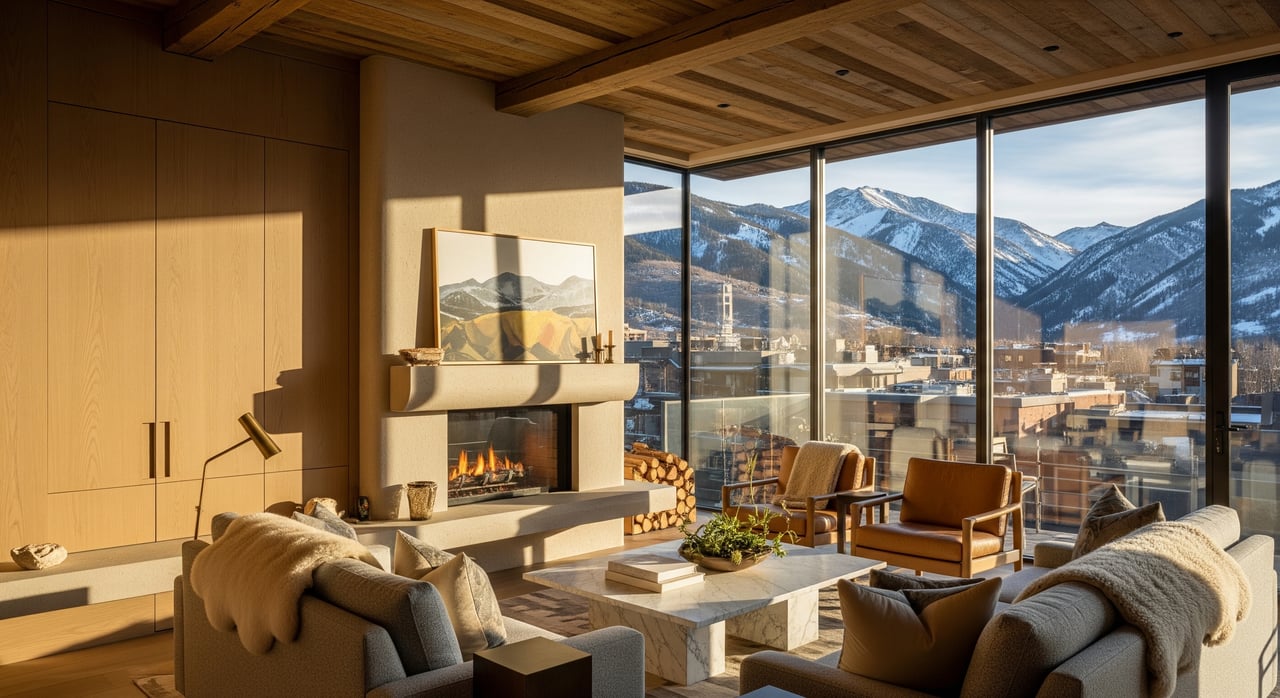
Modern properties often feature large terraces, high‑efficiency systems, humidification, and integrated smart controls. Penthouses or combined units can feel like townhomes with multi‑level layouts and expansive mountain views.
Floor plans and in‑unit features that matter
Core condos commonly range from 1 to 4+ bedrooms and roughly 1,000 to 3,500+ square feet. Penthouses or combined residences can go larger. The most desired layouts include:
- Open great room for gathering and entertaining
- Oversized windows and decks to frame mountain views
- Multiple fireplaces and a gourmet kitchen
- In‑unit laundry and dedicated owner storage
- Private ski storage or locker access
Match the bedroom count and layout to your intended use. If you plan to rent, design features that photograph well and sleep flexibly can help performance.
Amenities and services that move markets
Amenities and services drive lifestyle and rental appeal. Compare properties on:
- Heated parking or garage access, which is rare and highly valued in the Core
- Owner ski lockers, boot warmers, and secure storage
- Indoor or outdoor pools and hot tubs
- Spa, fitness center, steam or sauna facilities
- Private terraces, rooftop decks, or landscaped courtyards
Service levels are equally important:
- 24/7 concierge or front desk
- Valet parking and bell service
- In‑house property management and rental programs
- Housekeeping, linen service, and on‑call maintenance
- Room service or in‑unit food and beverage options in hotel structures
Building systems are increasingly a differentiator in the mountains. Look for central HVAC with humidification, whole‑unit air filtration, high‑speed internet, and envelope upgrades for energy efficiency and snow or water mitigation. Parking and storage often become deciding factors due to limited street parking.
Ownership, rental rules, and taxes
Ownership models
- Fee simple condo ownership with an HOA
- Condo‑hotel or residence program units with separate hotel management agreements
Your due diligence should include:
- HOA bylaws, CC&Rs, and rules for rentals, pets, and renovations
- HOA financials, budgets, reserve studies, and any planned assessments
- Minutes from recent meetings and any pending litigation
- Rental program agreements for condo‑hotel units
Short‑term rental environment
Local short‑term rental rules, registration, occupancy and lodging taxes, and any special permits can affect your returns and permitted uses. HOA rules may further restrict STRs or require participation in a building‑wide program. Always confirm current city and county requirements and whether a management firm handles tax collection and remittance.
Property taxes in Colorado are generally based on assessed value. Confirm your expected tax burden with the Pitkin County assessor. For income tax and state lodging tax implications, engage a local counsel or tax adviser.
Operating costs, income, and seasonality
Regular costs include HOA dues, management fees, insurance, utilities, and taxes. Dues vary widely by level of service and staffing, with full‑service buildings on the higher end. Because mountain properties face wildfire exposure and winter storm risk, verify insurance availability and premiums for the building.
Net rental income is seasonal. Performance depends on:
- Proximity and walk time to the gondola and Main Street
- Your building’s marketing channels and management company
- Owner usage and blackout dates
- The supply of competing STRs and any regulatory caps or changes
Request verifiable rental history for similar units over the last 2 to 3 seasons and reconcile results with current STR rules.
Compare condos with this checklist
Use these headings to evaluate any Aspen Core property side by side. Ask your broker to help you fill in details and verify documents.
1) Location and access
- Walk time to the Aspen Mountain gondola and base lifts
- Walk time to restaurants, galleries, and cultural venues
- Drive time to the airport
- Street noise, nightlife impact, and view corridors
Key questions:
- Exactly how long is the walk to the gondola and key restaurants? Are there stairs or alleys along the route?
- Has pedestrian access or any public easements changed recently?
2) Building condition and capital needs
- Age and date of major renovations
- Recent capital projects and upcoming assessments
- Reserve study findings and overall financial health
Key questions:
- When were roof, elevators, boilers, windows, and facade last replaced?
- Is any special assessment planned or major repair pending?
3) Unit features and suitability
- Bedroom and bath count relative to use
- Views, orientation, and private outdoor space
- Noise transfer and floor level pros and cons
Key questions:
- How many parking spaces and storage lockers are included?
- Are there restrictions on interior changes or combining units?
4) Services, management, and rentals
- On‑site staffing level and hours
- Ability to join a rental program and the fee split
- Historic rental performance by season, if available
Key questions:
- Who markets the unit and on which channels?
- What are typical gross and net revenues for similar units over the last 2–3 seasons?
5) Costs and financials
- HOA dues and what they cover
- Property tax estimate and annual amounts
- Operating expense breakdown for insurance and utilities
- Comparable sales and historical appreciation in the building
Key questions:
- Can you review the last 12 months of HOA financials and the reserve balance?
- What are typical utility allocations for owners?
6) Legal, regulatory, and insurance risk
- HOA rules on rentals, pets, parking, and renovations
- Local STR registration and compliance status
- Insurance availability and wildfire mitigation steps
Key questions:
- Is the unit currently registered for STRs where applicable?
- Are there building or neighborhood wildfire mitigation plans?
7) Resale and liquidity
- Typical days on market for Core luxury condos
- Common buyer types in the segment
- Seasonality for listing and showings
Key questions:
- What comparable sales over the last 12–24 months best support value?
- Are there usage limitations that could affect resale or buyer pool?
8) Red flags to watch
- Low reserves paired with high staffing costs
- Frequent special assessments or pending litigation
- Unverifiable rental claims or inconsistent reports
- Parking ambiguities or no deeded parking
- Structural or water intrusion issues in older buildings
Practical tips and negotiation levers
- Prioritize walkability and gondola proximity if downtown lifestyle or rental performance is the goal. A smaller unit closer to the lift can outperform a larger one farther away.
- Investors should verify multi‑season rental results, not just a strong single year, and confirm alignment with current STR and HOA rules.
- Second‑home buyers should weigh owner privileges like storage, housekeeping, concierge access, and any blackout dates that affect stays.
- Hire an inspector experienced with mountain buildings to evaluate the envelope, HVAC, and plumbing, and include HOA document review in your contingency timeline.
When negotiating, consider furniture and turnkey inventories, which are often included. Timing offers outside peak ski season may add leverage. For condo‑hotel units, you can negotiate rental program fee splits, owner usage, and the transfer timing of management contracts.
Try the 10‑minute walk test
Before you decide, take a stopwatch and walk from the front door to the gondola and Main Street at a normal pace. Note stairways, street crossings, and winter maintenance considerations. Compare your times across properties. In Aspen Core, those minutes often translate directly into lifestyle convenience and rental demand.
When to involve your broker
A local broker can synthesize the building anatomy, HOA health, and rental nuance that do not show up in glossy photos. Ask your advisor to request full HOA packages, confirm STR registration requirements, analyze recent comparable sales, and coordinate specialized inspections. If you are balancing personal use with rental goals, you will also want modeling that reflects actual seasonal patterns and owner blackout dates.
If you want a warm, high‑touch approach with international capability and deep local roots, connect with Fiona Hagist. Fiona represents buyers and seasonal renters across Aspen and the Roaring Fork Valley, combines neighborhood insight with Christie's global reach, and offers clear, calm guidance in both English and Spanish.
FAQs
What is considered “Aspen Core” in Colorado?
- Aspen Core refers to downtown Aspen and the immediate blocks around Main Street, the base of Aspen Mountain, and nearby cultural and retail anchors. Walkability and ski access define the area.
How close should my condo be to the gondola for strong rentals?
- In the Core, walk time to the gondola is a primary differentiator that directly influences demand and nightly rates. Closer access often leads to stronger performance.
What amenities matter most in Aspen Core luxury condos?
- Heated parking, owner ski lockers, pools or hot tubs, spa and fitness facilities, concierge or valet, and upgraded HVAC with humidification are highly valued and can impact resale and rentals.
How do full‑service buildings affect HOA dues?
- Buildings with extensive staffing and hospitality functions typically have higher HOA or management fees. Those fees may be offset by service and rental visibility.
What should I review before buying a condo‑hotel unit?
- Read the hotel management agreement, HOA rules, rental program terms and fee splits, owner usage restrictions, and the building’s financials and reserve study. Request verifiable rental history.
How do Aspen short‑term rental rules impact owners?
- Local STR rules, registration, lodging and sales taxes, and any special permits affect how and when you can rent. HOA rules may add further restrictions or program requirements.
What are common HOA red flags in Aspen Core buildings?
- Low reserves, frequent special assessments, pending litigation, unclear parking rights, and unverified rental claims are among the most important warning signs to investigate.