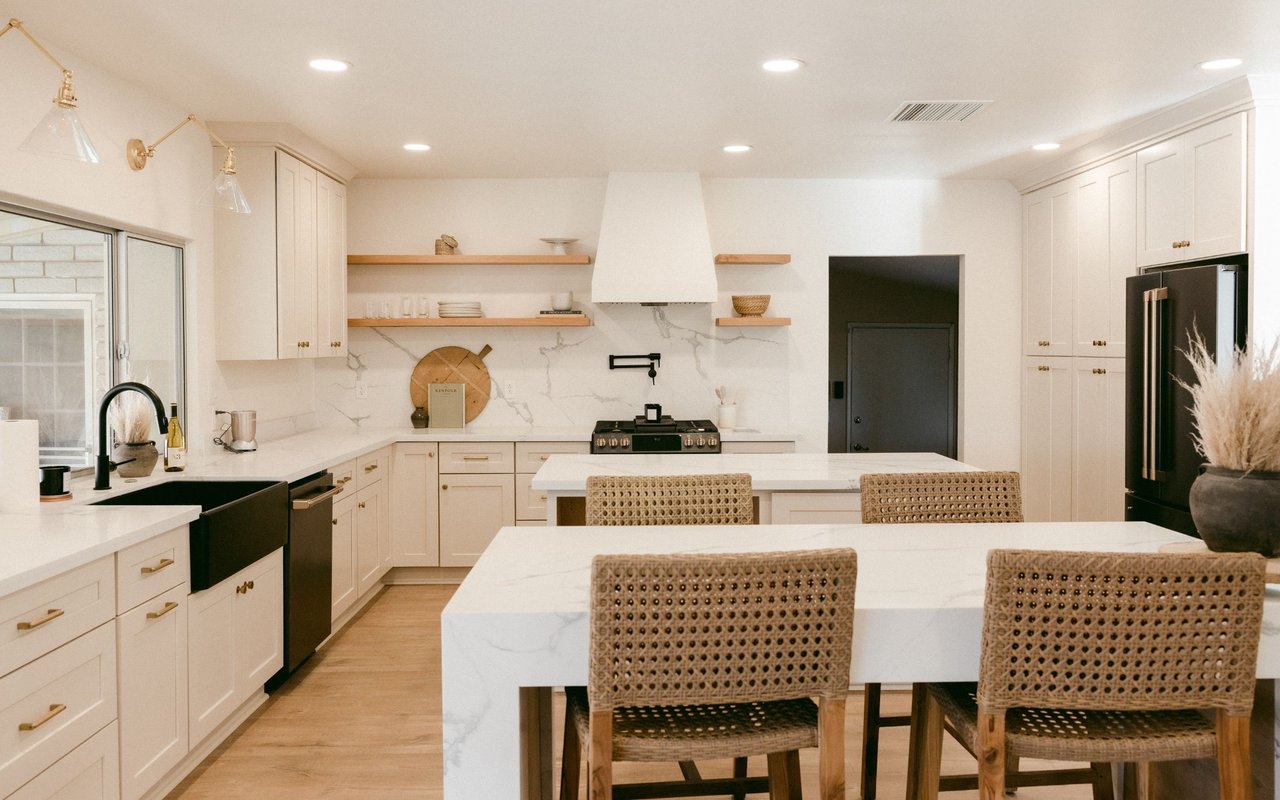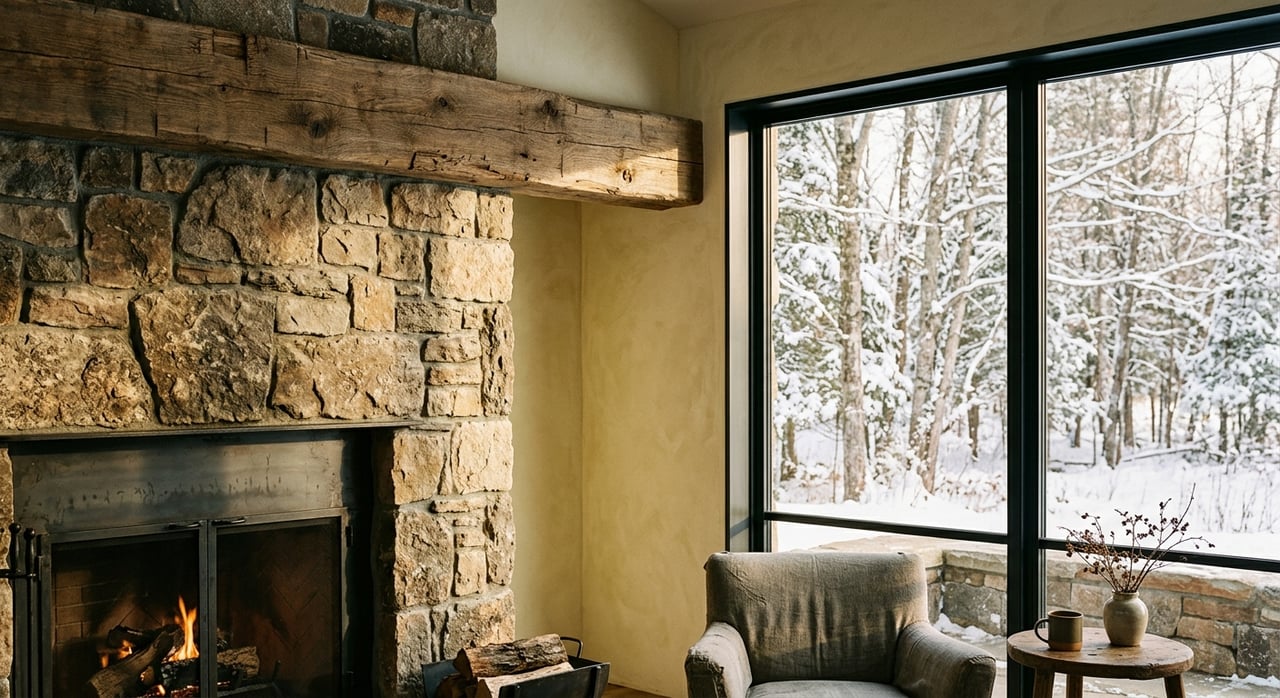
Are you better off buying a brand-new Aspen home or choosing a legacy property with history and character? In this market, that decision can shape far more than your style preferences. It can affect your timeline, renovation risk, carrying costs, and how quickly you can start enjoying life in the Roaring Fork Valley. If you are weighing both paths, here is what to know before you make your move.
Why this choice matters in Aspen
Aspen is a high-value market with limited inventory, which makes every purchase decision feel more consequential. According to the Aspen Board of REALTORS' May 2026 report, there were 77 single-family homes for sale, with 13.2 months of supply and a median single-family sales price of $10.625 million. The median townhouse or condo sales price was $3.4 million.
At these price points, the gap between a turnkey newer build and an older home that may need work is not minor. A home that looks appealing on day one can come with very different costs and planning needs once you look at codes, permits, and site requirements. In Aspen, that is often where the real decision begins.
What new construction offers
New construction in Aspen often appeals to buyers who want a more predictable ownership experience. In many cases, you are getting newer systems, a home built around current standards, and a clearer path to modern features that many buyers now expect. That can be especially appealing if you want to spend more time enjoying the home and less time managing upgrades.
Aspen's current code environment is a big part of that story. The city adopted the 2021 I-Codes in January 2023 for permits submitted after March 31, 2023. Aspen also adopted the 2024 Colorado Wildfire Resiliency Code in March 2026, effective April 23, 2026, for permits submitted after that date.
The city says these updates expanded measures tied to energy conservation, wildfire resiliency, and lower emissions. For you as a buyer, that means a newer home may already reflect a more current standard for performance and safety. It does not remove all questions, but it can reduce the number of immediate unknowns.
Newer homes and wildfire resilience
Wildfire planning is now a core part of buying in Aspen, not a side issue. The city's guidance for new work includes items such as Class A roofs, noncombustible or ignition-resistant exterior elements, protected glazing and doors, and site treatment near the structure.
The city also calls for a 0 to 5 foot zone near buildings that uses only noncombustible or ignition-resistant materials. In the 5 to 30 foot zone, pruning and spacing expectations also apply. If you are considering a newer home, these measures can support a more straightforward path compared with retrofitting an older property later.
Newer homes and energy planning
Aspen also places strong emphasis on building performance. The city says its electric system has used 100% renewable energy since 2015, and current building programs focus attention on how efficiently a home operates.
The local energy code includes EV-ready spaces and solar-ready roof zones. Aspen's REMP worksheets also address features common in luxury homes, including snowmelt, outdoor pools and spas, heat tape, and fireplaces. If those amenities matter to you, it is worth understanding how they fit into the overall design and code picture before you commit.
Incentives that may support upgrades
The city says it has partnered with MEAN to provide incentives for high-efficiency heat pumps. CORE also offers rebate programs to Roaring Fork Valley residents.
While incentives should never be the only reason to choose one property over another, they can support long-term planning. This can matter whether you are buying new construction or taking on a major remodel.
What legacy homes offer
Legacy homes in Aspen can deliver something that new construction cannot always recreate. You may find more established settings, mature landscaping, long-held architectural character, and land positions that feel especially special within the market.
For some buyers, that sense of place is the entire point. A legacy property can offer texture, history, and an irreplaceable connection to Aspen's built environment that a new home may not match.
Aspen has a longstanding preservation framework. The city says it has engaged in preservation since the early 1970s, and the Historic Preservation Commission reviews development, demolition, relocation, and variation for designated historic properties and properties in historic districts.
That matters because the home you love today may come with review requirements tomorrow. If you plan to make exterior changes, additions, or larger renovations, the approval process can become a meaningful part of your buying decision.
Historic review can shape your timeline
If a legacy property falls within Aspen's preservation framework, timing becomes a key due-diligence issue. The city notes that Historic Preservation Commission agendas are typically full for months in advance.
For you, that means the period between closing and construction may not move as quickly as expected. Even when a project is feasible, the entitlement calendar can affect when work actually begins.
Contractor licensing may matter
If a property is part of a historic preservation project, Aspen requires an active Historic Preservation Contractor License for the general contractor throughout the project. That makes contractor selection more than a routine box to check.
Before you buy a legacy home with renovation plans, it is wise to understand whether this requirement applies. A beautiful older property can become more complex if the right team is not in place early.
Older homes may still need wildfire work
Historic value does not remove wildfire planning from the equation. Aspen says exceptions may be allowed for historically designated buildings when full compliance would damage historic features, but alterations still must comply with section 26.415 and the city's historic design guidelines.
In practical terms, this means preservation and resilience often need to be balanced together. If you are buying an older home, especially one with mature grounds, landscape and site planning may become part of your post-closing strategy.
The city says homeowners may remove trees for fuel reduction through a process that begins with a free home assessment from Aspen Fire Protection District and a city permit. The city also notes that firewise landscapes can be compatible with waterwise landscape choices.
Comparing predictability versus character
For many buyers, this decision comes down to your tolerance for complexity. A newer home may offer a more predictable path, fewer immediate replacements, and a cleaner fit with current code expectations.
A legacy home may offer deeper character and a more established setting, but often with more questions to answer upfront. Those questions can involve preservation review, contractor qualifications, wildfire hardening, and the scope of future changes.
Neither path is automatically better. The right choice depends on whether you prioritize immediate move-in readiness or are willing to take on a longer planning horizon in exchange for location, land, or architectural character.
Questions to ask before you buy
A smart Aspen purchase starts with specific questions, especially when comparing new construction with an older home. These conversations can help you understand the true scope of ownership before you move forward.
Ask about review and permits
- Is the property in a historic district or otherwise subject to Historic Preservation Commission review?
- If you want additions, exterior changes, or demolition, what is the likely permit and hearing path?
- What lead times and review steps should be built into the schedule?
Ask about code and design
- How will the home satisfy Aspen's current wildfire, building, and energy codes?
- Can the property support EV-ready and solar-ready infrastructure?
- If the home is older or historic, which exterior elements must be preserved and which may be replaced?
Ask about amenities and operating demands
- Which amenities may trigger REMP calculations or offsets, such as snowmelt, pools, spas, heat tape, or fireplaces?
- If the house is older, which systems are most likely to need replacement or retrofit?
- How much wildfire defensible space already exists, and what landscape changes may be needed?
Ask yourself the bigger question
- Are you buying for immediate ease, or are you buying for character and long-term upside with a higher tolerance for renovation complexity?
- What is the likely all-in cost after code upgrades, site work, and any historic review?
- In Aspen's limited-inventory market, does this home preserve flexibility, or could it create a long renovation path?
How to think about the final decision
In Aspen, the choice between new construction and a legacy home is not just about finishes or architecture. It is also about code complexity, energy performance, wildfire resilience, preservation review, and how much uncertainty you want to absorb.
If you want a more turnkey experience, newer construction may align better with your goals. If you are drawn to a property with history, mature grounds, and a distinct sense of place, a legacy home can be deeply rewarding, as long as you go in with clear eyes and the right guidance.
A thoughtful purchase here starts with understanding not just what you are buying, but what the home may ask of you after closing. If you want help comparing Aspen properties through that lens, Fiona Hagist offers a high-touch, locally informed approach to buying in Aspen and across the Roaring Fork Valley.
FAQs
What is the main difference between buying new construction or a legacy home in Aspen?
- In Aspen, the difference usually comes down to predictability versus character. Newer homes may offer a clearer path to current code compliance and fewer immediate upgrades, while legacy homes may offer more architectural character, mature settings, and potentially more renovation complexity.
What should you ask before buying a legacy home in Aspen?
- You should ask whether the property is subject to Historic Preservation Commission review, what kinds of changes may require hearings or permits, whether a Historic Preservation Contractor License is required, and what wildfire or landscape work may be needed.
How do Aspen wildfire rules affect home purchases?
- Aspen's wildfire guidance can affect both new and older homes through roof, exterior material, glazing, door, and site-treatment expectations, as well as defensible-space planning near the structure.
Do newer Aspen homes include energy-ready features?
- Aspen's local energy code includes EV-ready spaces and solar-ready roof zones, so newer homes may be better positioned for those features from the start.
Why does historic preservation matter when buying in Aspen?
- Historic preservation matters because designated historic properties and homes in historic districts may be subject to review for development, demolition, relocation, and variations, which can affect both your renovation scope and timeline.