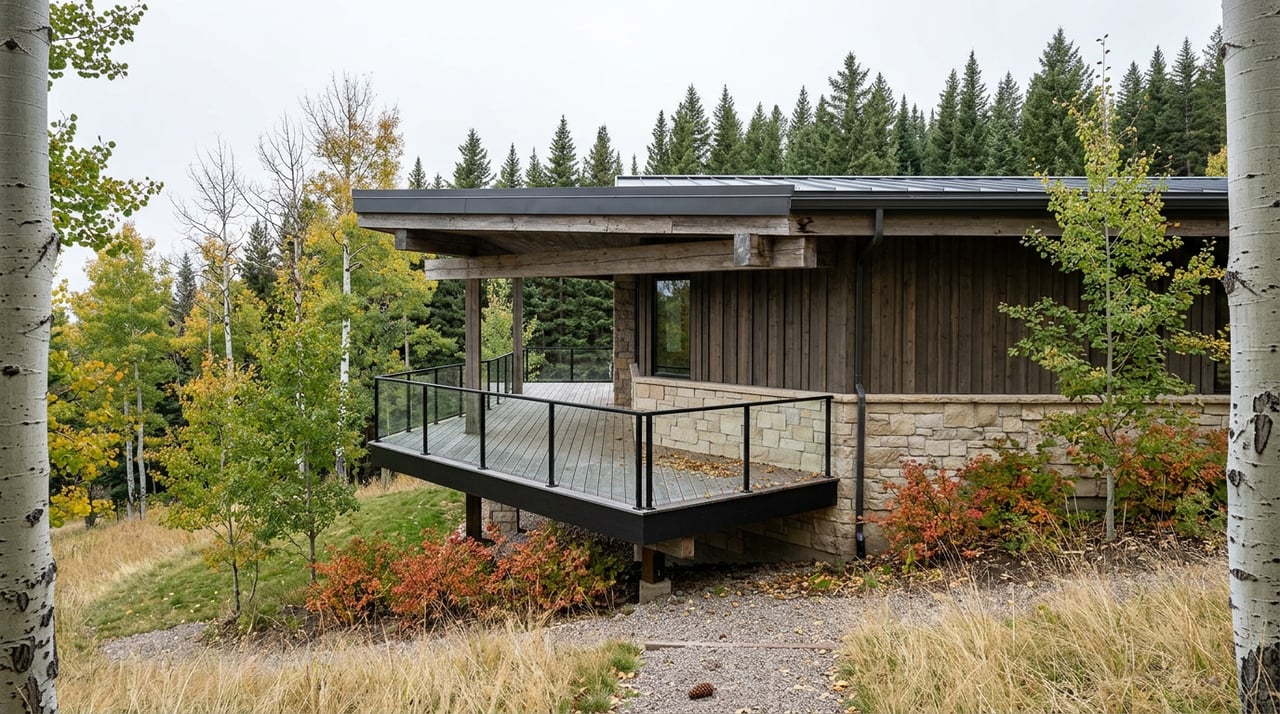
Every fall, somebody at the office or the trailhead says the same thing: wait for the last weekend of September, that's when the aspens really turn. This year, that advice will cost you the whole show. The aspens along Castle Creek Road and around Maroon Lake are already shutting down, and they're doing it for a reason that has nothing to do with a nice cool snap.
Adam McCurdy, forest and climate director at the Aspen Center for Environmental Studies, put it plainly to the Aspen Times a few weeks ago: this isn't the orderly, drawn-out color change the valley usually gets. It's a stress response. The trees are dropping leaves to conserve water, not to put on a display, and that changes both when you should go and where.
The mechanism, not just the weather
It's tempting to file this under "dry year, early color" and move on. That undersells what's actually happening. In a normal autumn, aspens shut down chlorophyll production gradually as days shorten, which is what produces the slow build from green to gold that people plan trips around. What McCurdy described this year is different: trees under drought stress abandon that gradual process and shed leaves outright to cut their water losses. The result on the ground isn't a longer, more vivid season. It's a shorter, patchier one, with some stands going from green to bare with barely a gold phase in between.
The scale of the stress behind this is worth sitting with. As of the U.S. Drought Monitor's September 3 report, nearly 94 percent of Colorado was experiencing some level of drought, with close to 44 percent of the state in extreme or exceptional conditions, the two worst categories the monitor tracks. OpenSnow meteorologist Alan Smith noted that last year brought similar dry conditions west of the Continental Divide, but this year's drought is worse statewide and has come with unusually warm temperatures on top of it. That combination is what's pushing the shutdown earlier and making it less uniform from one hillside to the next.
Why Aspen turns weeks before Carbondale, same valley
Here's the part that surprises people who've lived here a while and assume the whole Roaring Fork Valley moves on one clock. It doesn't, and this year the gap is unusually wide. Colorado's fall color forecast puts the Aspen, Leadville, and Crested Butte corridor at peak between September 18 and 30. Carbondale, thirty miles down the valley, isn't expected to peak until October 1 through 15. That's nearly a three-week spread inside a single drive you'd make for groceries.
The mechanism is elevation, and it's more literal than most people realize. Higher ground cools faster once the days shorten, which triggers the shutdown sooner. Aspen sits high enough, and close enough to open ridgelines, that its aspens are among the first in the state to feel that signal. Drive down to Carbondale two weeks from now expecting the same show you saw at home, and you'll find green trees. The reverse mistake is just as common: waiting until early October because "that's when it usually peaks," only to find the hillsides around town already bare.
Where the color is actually holding
McCurdy's advice for this specific year, if you're picking where to go, was to look for trees that are fighting the drought rather than surrendering to it. That means higher elevations and north-facing slopes, where trees get less direct afternoon sun and hold moisture a little longer. He pointed to Upper Castle Creek and Maroon Lake as places still likely to deliver, not because those spots are exempt from the drought, but because the specific stands there are less stressed than trees lower in the valley or on south-facing exposures.
That's a meaningfully different tip than the generic "drive to Maroon Bells" advice you'll find everywhere. The groves right along the road into town, the ones getting full sun most of the day, are the first to brown and drop. The ones tucked into shaded drainages or facing north are running behind on the same stress clock, which this year makes them the better bet, not the consolation prize.
If you're headed toward Maroon Creek Road, the practical reality hasn't changed even if the trees have. Access is managed by reservation from May 22 through October 18, and during that window you can't just drive up and park. The Roaring Fork Transportation Authority runs a shuttle from the Maroon Bells Welcome Center at Aspen Highlands, with tickets running $16 for adults and $10 for children and seniors, and the last bus back down the mountain leaves the lake at 5 p.m. Book through visitmaroonbells.com before you go, since seats for the next couple of weekends are exactly the ones people are trying to grab right now.
One thing to weigh against a normal year: McCurdy also expects a shorter overall season, with leaves coming down faster once they've turned rather than lingering the way they might in a wetter year. If you're used to having until mid-October as a buffer, this isn't the year to count on it.
The free option nobody plans around
Not every good look at this year's color requires a reservation or a drive out of town. Hallam Lake Nature Preserve, the Aspen Center for Environmental Studies' original site at the end of Puppy Smith Street behind the post office, is a 25-acre preserve open to the public year round, with no admission fee. The land was donated by Elizabeth Paepcke back in 1968, and it's stayed a working nature center ever since, with naturalists on site and a walking loop that puts you in a stand of aspens without the logistics of a shuttle reservation or a pre-dawn drive.
It's an easy one to overlook precisely because it's so close. If your weekend plans fell through, or you'd rather catch color on a lunch break than plan around a shuttle schedule, it's there, and this year in particular, closer and less sun-exposed stands are exactly where the color is holding better anyway.
What to actually do with this
If there's one adjustment worth making to how you'd normally plan a fall walk here, it's this: stop optimizing for the calendar and start optimizing for elevation and exposure. This year's drought means the usual rule of thumb, that the last two weeks of September are safe, isn't reliable. Some stands are already past their moment. Others, tucked higher or facing the other way, still have theirs coming. Aspen's compressed window, roughly the 18th through the 30th, is running well ahead of the rest of the valley, so if you're the kind of person who likes to catch it twice, once at home and once on a drive down toward Carbondale, you now know why that second trip needs to wait.
None of this requires an app or a forecast model to figure out day by day. It requires knowing which hillsides around this town get afternoon sun and which don't, which is the kind of thing you learn from actually walking the valley in different seasons rather than checking a foliage map from somewhere else.
That's the same instinct that makes someone good at reading this market, not just the leaves. Knowing which slope holds color longer, which street stays quiet through ski season, which listing is priced for a buyer who's done their homework and which one isn't, comes from paying attention to the same place over years, not from a database. If you're weighing a move in the Roaring Fork Valley and want that kind of read on a property or a neighborhood, Fiona Hagist offers a free home valuation grounded in exactly that kind of local detail.