Thinking about selling in Aspen and wondering if now is the right moment? In a market where luxury buyers have more choices and properties often take longer to sell, timing matters, but so do pricing and presentation. If you want to make a smart, confident move, it helps to understand what the latest data is really saying. Let’s dive in.
Aspen market snapshot
Aspen remains one of the country’s most expensive real estate markets, but early 2026 data does not point to a seller-dominated environment. According to Realtor.com’s Aspen market summary, there were 449 homes for sale in March 2026, with a median listing price of $3.2 million, a median 122 days on market, and a 97% sale-to-list ratio.
That same report labels Aspen a buyer’s market. For sellers, that means buyers have room to compare options, negotiate, and wait for the right fit rather than rushing to act.
MLS-based Pitkin County data supports that broader picture. The January 2026 Pitkin County market update shows 10.1 months of supply for single-family homes and 10.0 months for townhouse and condo properties, along with median days on market of 155 and 153 days respectively.
What luxury sellers should notice
The key story is not just price. It is inventory, pace, and buyer leverage.
When homes sit on the market longer and supply stays elevated, buyers tend to become more selective. They compare finishes, views, location, privacy, and recent pricing more carefully, especially in the luxury segment.
This does not mean Aspen is weak. It means Aspen is nuanced. A well-positioned property can still perform well, but sellers should expect a market that rewards strategy over optimism.
Inventory and days on market
Local Aspen MLS reports from 2025 show a consistent pattern of long marketing timelines and substantial supply. In Aspen town MLS data, January 2025 single-family homes had 99 active listings, 17.0 months of supply, and 176 days on market.
Townhouse and condo properties also showed extended timelines. In that same report, townhouse and condo listings posted 203 days on market in January 2025, with 6.8 months of supply.
By June 2025, year-to-date trends still reflected a slower market. Single-family homes showed 153 days on market and 17.6 months of supply, while townhouse and condo properties recorded 178 days on market and 9.2 months of supply.
For sellers, these numbers suggest that patience may be necessary. They also suggest that the first few weeks on market matter more when buyers have plenty of alternatives.
Pricing trends in Aspen luxury
Pricing power is still present in Aspen, but it is more limited than in a tighter market. The same Aspen MLS report shows list-price-received figures in the low-to-mid 90% range during parts of 2025.
Realtor.com adds another useful signal. In February 2026, homes in Aspen sold for 3.07% below asking on average, and median days on market were up 41.86% year over year according to its current housing market summary.
Taken together, this points to a more price-sensitive buyer pool. If you aim too high at launch, you may lose momentum and end up chasing the market later.
Aspen is not one market
One of the most important takeaways for sellers is that Aspen should never be treated as a single, uniform market. Different neighborhoods and property types can behave very differently.
For example, Realtor.com’s Aspen data shows major variation by area, including median home prices of $17.99 million in the West End and $15.375 million in the East End. That kind of spread is a reminder that citywide averages can only tell part of the story.
A luxury condo near the core, a single-family home in a private hillside setting, and an estate property in an ultra-prime enclave may each have a different buyer pool and a different absorption timeline. That is why timing and pricing decisions should be based on comparable properties in your specific segment, not just broad headlines.
Best time to list in Aspen
If your timeline is flexible, the data supports being ready ahead of the spring and early summer ramp. The National Association of Realtors seasonal analysis notes that April through June is typically the peak buying season, with June often moving fastest.
That said, Aspen may not follow the national pattern as closely as many other markets. NAR also notes that the West is generally less affected by seasonality and that tourism and second-home markets can behave differently.
So what does that mean for you? In Aspen, the strongest timing is often less about picking a perfect calendar date and more about launching when your home is fully prepared, accurately priced, and presented at a high level.
Spring and early summer advantages
Listing before or during the spring-to-early-summer window can give you a practical advantage. More buyers are active nationally during that period, and many Aspen shoppers are planning ahead for seasonal use, second-home enjoyment, or long-term portfolio decisions.
If your home is ready before competing inventory builds further, you may also stand out more clearly. In a market with elevated supply, earlier exposure can help capture attention before buyers become fatigued by too many similar options.
When off-season listings still work
Traditional seasonality matters, but it is not everything in Aspen. Because this is a globally recognized destination with second-home demand, a well-marketed luxury listing can still gain traction outside the busiest months.
That is especially true when the property itself offers something clearly differentiated, such as exceptional views, turnkey condition, strong architectural appeal, or a location with distinct lifestyle value. In this kind of market, quality and positioning can matter as much as timing.
How to prepare before listing
In a buyer-friendly luxury market, your preparation window is not just a to-do list. It is part of your pricing and timing strategy.
The research points to three priorities: pricing close to current comparable sales, presenting the property beautifully from day one, and using a neighborhood- and property-type-specific lens rather than broad citywide assumptions. Those themes are supported by the combined inventory, days on market, and segmentation trends in the available reports.
Price from current comps
Aspen’s long marketing windows suggest buyers are paying attention to value. Pricing close to current comparable listings and recent sales can help you generate stronger early interest and reduce the odds of a stale listing.
This is especially important in the luxury tier, where buyers often track new inventory carefully and have time to wait. A realistic launch price can create more urgency than a high initial price followed by reductions.
Polish presentation early
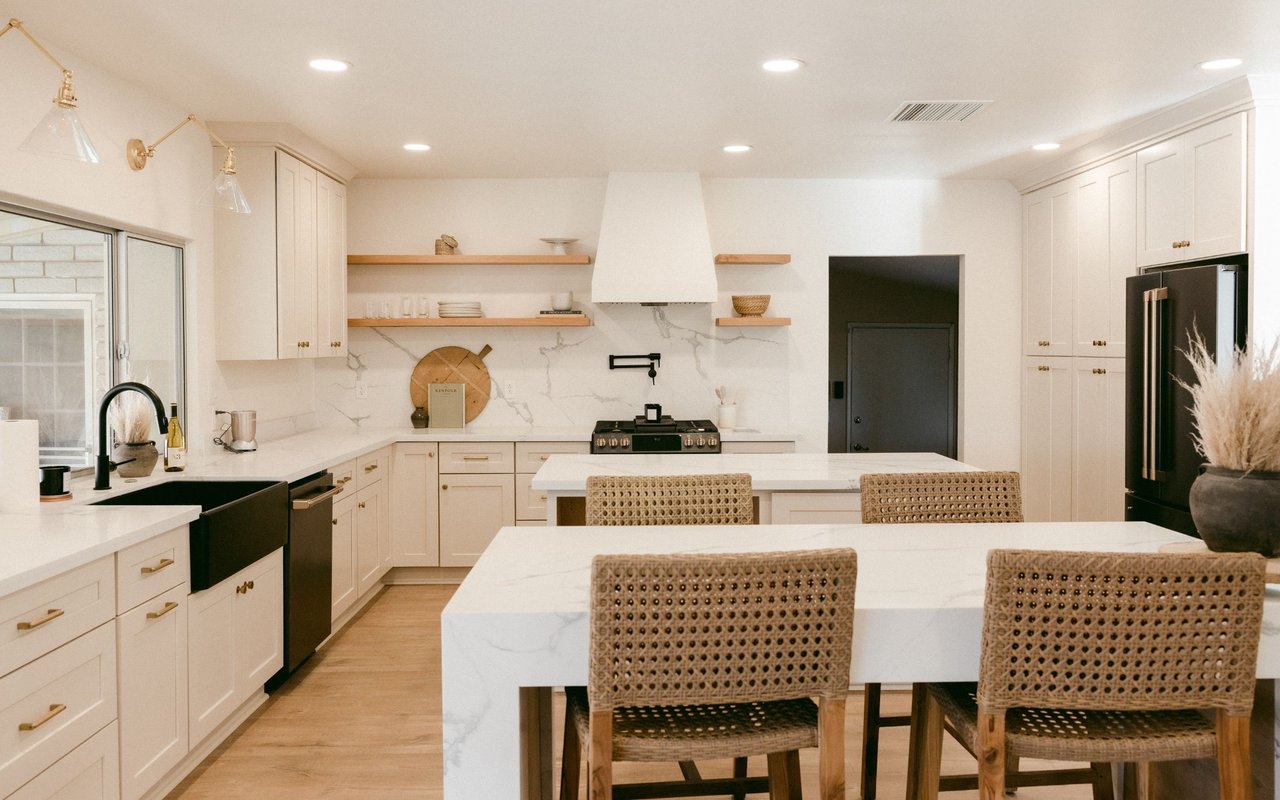
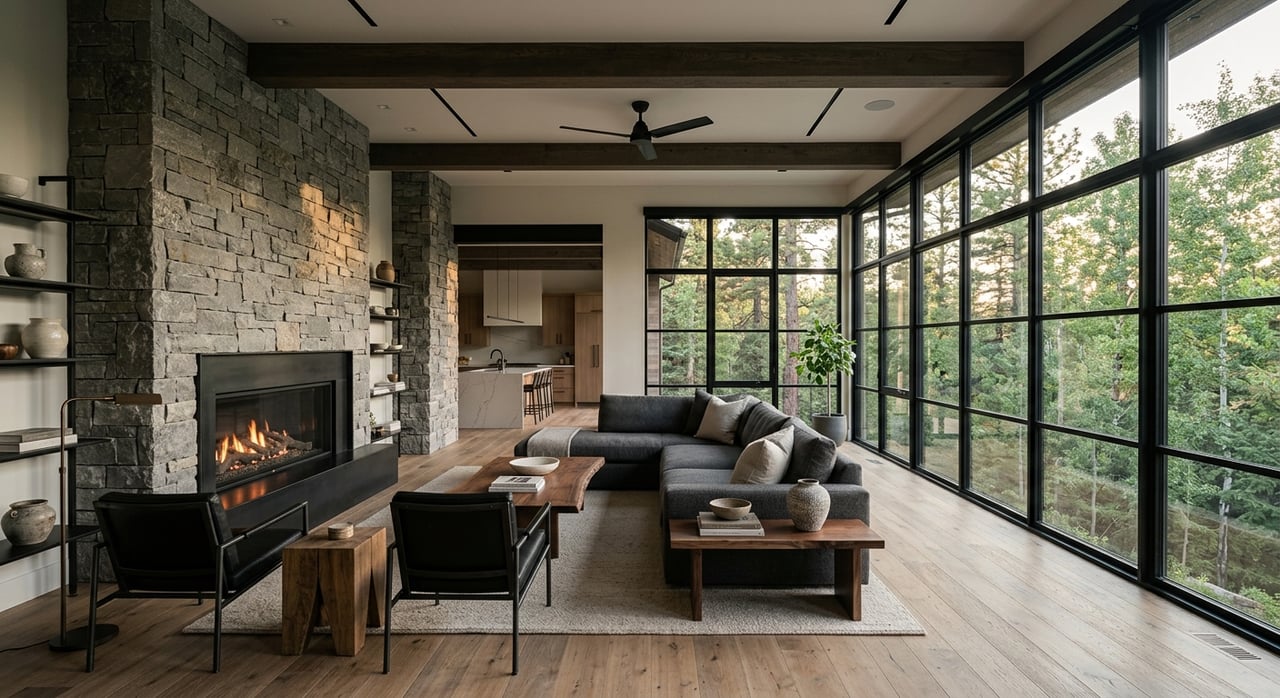
When buyers have options, your home needs to feel compelling right away. That includes visuals, staging, photography, and the overall impression created from the first day on market.
For luxury properties, the standard is high. Clean design, thoughtful staging, and a presentation that highlights light, views, layout, and lifestyle can help your property compete more effectively.
Use segment-specific data
Monthly luxury numbers can swing sharply because the number of transactions is often small. The Aspen Board report specifically notes that one month can look extreme, which is why year-to-date or rolling trends are more useful than a single monthly print.
That matters when deciding when and how to list. Your strategy should reflect the most relevant segment for your property, whether that is single-family, townhouse, condo, or a specific Aspen neighborhood.
A smart seller strategy for 2026
If you are selling in Aspen this year, the market is asking for discipline. Buyers appear engaged, but they are also careful, comparison-driven, and less forgiving of overpricing.
A smart strategy in this environment usually includes:
- Launching only when the home is fully market-ready
- Pricing from current, highly relevant comparables
- Expecting a longer timeline than in a fast seller’s market
- Watching year-to-date and rolling trends instead of reacting to one month of data
- Tailoring your plan to your property type, location, and buyer pool
For many sellers, the best timing is not simply “now” or “later.” It is the moment when your home can enter the market looking polished, competitive, and clearly aligned with current buyer expectations.
If you are weighing your next move in Aspen, a thoughtful pricing and presentation plan can make a meaningful difference. For a tailored look at your property’s position in today’s market, connect with Fiona Hagist to get a free home valuation.
FAQs
What do current Aspen market trends mean for luxury home sellers?
- Current data suggests Aspen is expensive but not strongly seller-dominated, with elevated inventory, longer days on market, and buyers who are comparing options carefully.
When is the best time to list a luxury home in Aspen?
- If your timing is flexible, being ready before spring and early summer may help, but in Aspen a well-priced and well-presented home can also perform outside the traditional peak season.
How long does it take to sell a home in Aspen right now?
- Recent reports show median and average marketing times well above a fast-paced market norm, including 122 days on market in Realtor.com’s March 2026 summary and roughly 153 to 155 days in MLS-based county data.
Should Aspen sellers price high to leave room for negotiation?
- Current data suggests buyers are price-sensitive, so an aggressive asking price may hurt early momentum more than it helps, especially when competing inventory is high.
Why should Aspen sellers look at neighborhood-specific data?
- Aspen is highly segmented, and pricing and demand can vary significantly by neighborhood and property type, so broad citywide averages may not reflect your home’s actual market position.